


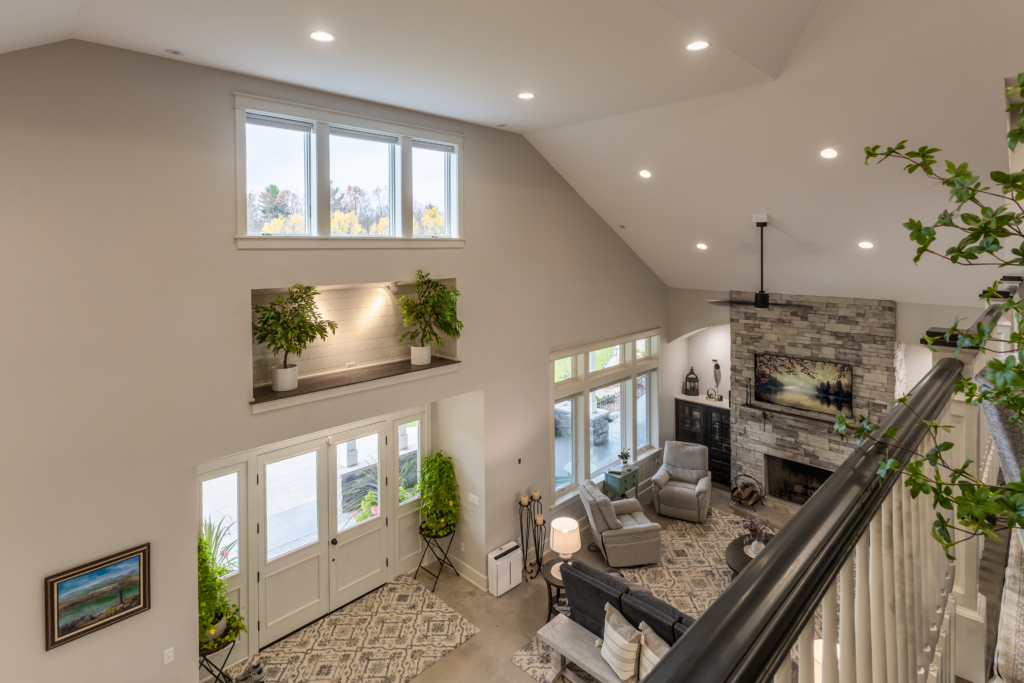
Can I Beat the Spring Rush by Listing Early in Grand Haven?
If you’re even asking this question, you’re likely standing at the edge of a real transition. Maybe a job in Grand Rapids starts sooner than expected. Maybe your family is growing and the extra bedroom in Grand Haven Township isn’t stretching any further. Maybe the kids just left for GVSU and the house feels bigger than you need. Or maybe you’re ready to cash out while Lakeshore demand is still holding strong.
Life doesn’t wait for April.
Neither do the buyers who need to move before spring.
And along the Lakeshore, early 2026 is shaping up like every recent year: quieter roads, fewer listings, and a winter market where serious buyers are still scrolling Zillow at night, touring on weekends, and writing offers on homes that stand out. If you’re unsure what your home might be worth heading into the new year, you can get a fast read using Josh’s local valuation guide here: What’s My Grand Haven Home Worth Right Now?
The real question isn’t whether winter is “too early.”
It’s whether listing before the spring wave helps you control the timing, competition, and outcome of your move.
Let’s break that down with zero fluff and only the insights that actually matter.
Can You Actually Beat the Spring Rush by Listing Early?
Yes. Many Grand Haven sellers gain a real advantage by listing between January and early March because inventory is low and serious buyers are already active. The season feels slower, but demand does not disappear. It becomes clearer and more intentional.
Here is what happens every winter along the Lakeshore:
- Active buyers outnumber new listings from January through mid March
- Fewer competing homes mean more visibility for each listing
- Relocation buyers start early for work timelines in Grand Rapids and Muskegon
- Upsizers and growing families begin planning their summer move in winter
- Homes near Sheldon Road, Beechtree, Lakeshore Drive, and downtown Grand Haven get steady off season interest
If you want to compare this directly to last year’s winter patterns, you can look at Josh’s breakdown inside Should I List My Grand Haven Home in Winter or Wait for Spring. It shows how early listings often get stronger traffic simply because buyers have fewer options.
The takeaway is straightforward. Early listings do not lose momentum. They avoid competition. And in Grand Haven, competition is what drives pricing pressure in April and May.
Why Timing Matters for Grand Haven Sellers in Early 2026

Early 2026 is shaping up to be another year where timing creates a real advantage for sellers along the Lakeshore. Grand Haven, Spring Lake, and Ferrysburg typically see their first surge of new listings in late March. Before that point, buyers have fewer choices and your home stands out faster.
Here is the shift most homeowners do not see:
- Buyer demand begins building in January, long before the weather changes
- Corporate relocations for Holland Hospital, Mercy, and Grand Rapids tech roles start early in the year
- Low winter inventory gives well prepared homes a stronger position
- Sellers who wait often list into the April wave, which increases competition
If you want a deeper look at how these cycles affect real seller outcomes, Josh breaks down year over year patterns inside his West Michigan Real Estate Blog. The same timing logic shows up across Muskegon, Holland, and the entire shoreline.
Many homeowners also check market strength before committing to a plan. If you want context beyond headlines, Josh covers that in Is It Still a Seller’s Market in West Michigan which is one of the most referenced pieces for Lakeshore sellers deciding whether to wait or move now.
Timing will never replace preparation or pricing. But in Grand Haven, early positioning gives your home room to breathe. And when the spring rush hits, the homes that move first are often the homes that never had to compete.
What Early Listing Looks Like in Grand Haven Neighborhoods

Early listings behave differently depending on where you live in Grand Haven. The winter market is smaller, but the buyers who are searching already know what they want. That is why neighborhood nuance matters.
In the downtown core, homes near Washington Avenue, Lafayette, and the waterfront tend to pull steady attention in January. Buyers looking here are often coming from outside the area, and many start their searches months before the weather turns. They are drawn to walkability, character, and proximity to the lake, and they rarely wait for April to make a move. If you want to see how downtown homes compete against current inventory, you can review Josh’s active Listings page.
In Grand Haven Township, the rhythm is different. Families planning a summer move start searching earlier than people realize. They want to settle near Peach Plains, Rosy Mound, or White Pines before the end of the school year. This is where early listings often have a real advantage because Township inventory takes longer to build. If you want a wider look at how township homes behave seasonally, Josh covers that in his Resources hub for West Michigan sellers.
Spring Lake and Ferrysburg follow their own pattern. Relocation buyers favor these areas for easier commutes to Muskegon or Grand Rapids, so winter showings tend to be more intentional. A well presented home here can outperform spring listings simply because buyers see fewer options. If you are weighing the move and want a quick sense of whether your home aligns with early year demand, Josh’s Sell page outlines the full selling process and what timing means for different neighborhoods.
Across all three areas, early listings do not rely on volume. They rely on clarity. Buyers are searching, comparing, and making decisions long before tulips appear. A home that reads clean, priced correctly, and aligned with local demand will almost always stand out faster in winter than in the crowded spring wave.
What Are the Real Advantages of Listing Early in Grand Haven?
When homeowners ask whether it is worth listing before spring, they usually expect the answer to depend on weather. In reality, the advantage comes from visibility. Early listings in Grand Haven compete against far fewer homes, which means buyers focus harder on what is available.
A well presented home in January or February often gets stronger early traction simply because buyers do not have twenty other listings to compare it to. The showing traffic is smaller, but the quality is higher. These are people who need to move, not people who are casually touring after a warm weekend on the pier.
Another advantage is clarity during negotiations. Buyers entering the market this early tend to be pre approved, motivated, and ready to write. They are not waiting for more homes to hit the MLS in April. They are looking for a clean option that solves a timeline problem. This is why Josh often recommends that sellers start reviewing neighborhood specific activity early. You can browse nearby patterns through his West Michigan Real Estate Blog, which highlights how early season behavior shifts by city.
Pricing is also easier to strategize before the rush hits. By spring, new listings arrive daily, which pulls buyers in multiple directions. Early listings often hold their ground without needing to compete on incentives or adjustments. If you are considering upgrades before listing, Josh’s guide on Should I Remodel Before Selling My House in West Michigan can help you avoid unnecessary work that spring sellers sometimes feel pressured into.
Lastly, early timing reduces the mental load many sellers feel in April. When the spring wave hits, most homeowners are juggling prep work, landscaping, showings, and a fast moving market all at once. Listing early lets you control the pace, control the preparation, and avoid being one of many.
If you want to get a clear picture of what early positioning could look like for your home, Josh is always open to a direct conversation through his Contact page.
Contact JoshIn Grand Haven, the advantage is not the season. It is the space your home gets before the rest of the market wakes up.
What Are the Risks or Misconceptions About Listing Early?
Most of the hesitation around early listing does not come from data. It comes from assumptions. When I sit with homeowners in Grand Haven, the same worries show up every year, and most of them are not actually tied to how the winter market behaves.
One misconception is that “no one buys in winter.” The truth is that the buyers who move between January and March are some of the most motivated of the entire year. Relocators, upsizers, downsizers, and early year job transfers are already searching, and many of them want to settle before April. If you want to see how this trend has played out in the past two seasons, Josh breaks it down inside his blog on winter timing here: Should I List My Grand Haven Home in Winter or Wait for Spring?
Another misconception is that homes sell for less before spring. Pricing strength depends on inventory and demand, not the month. In early 2026, Grand Haven is entering another low inventory cycle, especially in the Township. When there are fewer homes to compare against, clean and well prepared homes often hold price better than they do in April when dozens of new listings hit the market at once. If you want context beyond Grand Haven, the broader breakdown is here: Is It Still a Seller’s Market in West Michigan?
A third misconception is that homes photograph poorly in winter. That only becomes a problem when the seller does not prepare lighting and interior presentation. Winter photography is less about skies and more about lighting and clarity. If you want examples of how winter listings should look, you can browse Josh’s active listings here: Current Listings
Lastly, some homeowners think they should wait so they can “get everything ready,” but early listing actually gives you more breathing room. Spring sellers rush through prep because the market moves fast. Winter sellers can stage, photograph, and position their home without fighting a crowded MLS. If you want help deciding what is worth fixing or upgrading before listing, this guide simplifies the decision: Should I Remodel Before Selling My House in West Michigan?
Most early listing fears come from myths, not market behavior. Once you understand how winter buyers act, the risks become manageable and the advantages become clearer.
How to Prep Your Grand Haven Home for an Early Listing
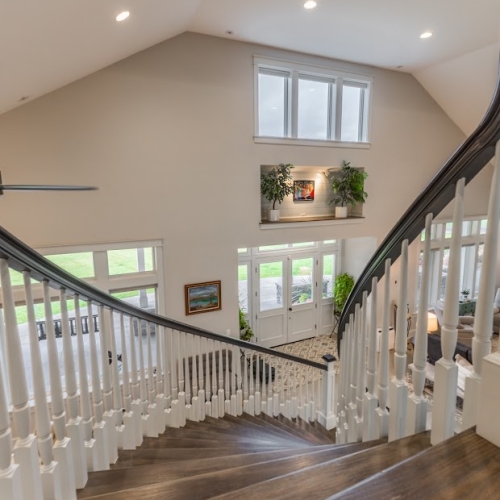


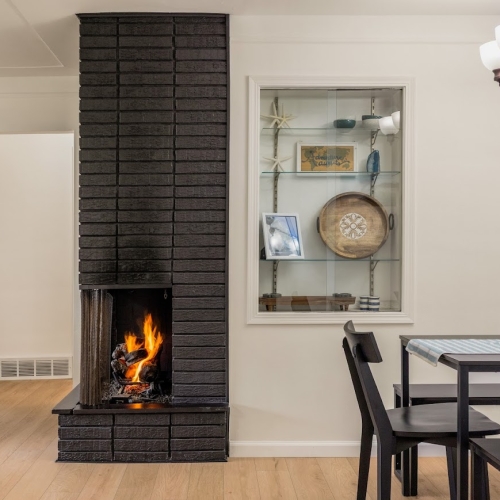
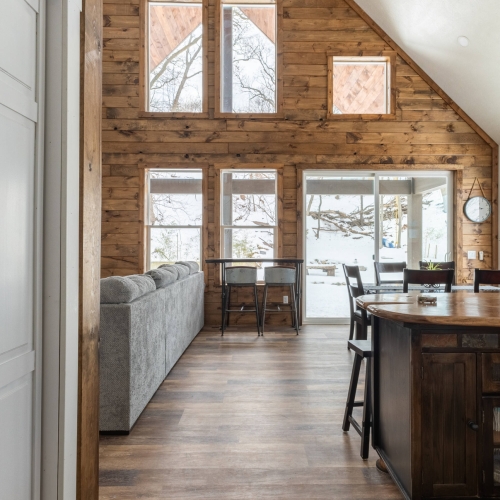
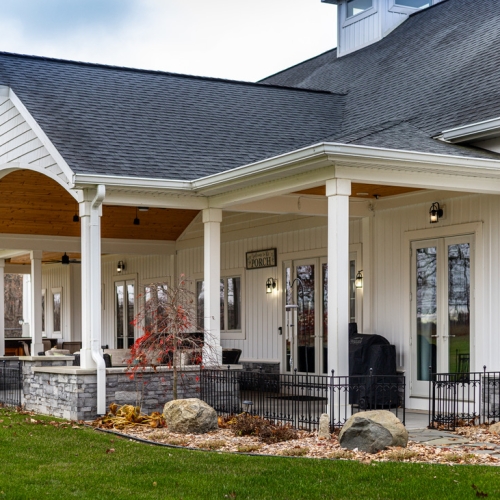

Preparing a home for a winter or early spring listing is different from preparing for the April crowd. Buyers touring in January and February are focused on clarity, efficiency, and whether the home feels cared for. You do not need a full renovation. You need a clean presentation that removes friction.
Start with lighting. Winter showings in Grand Haven often happen after work hours, so the first impression usually happens in low daylight. Homes that feel bright and open tend to perform better, even if the skies outside are gray. A quick walkthrough with warmer bulbs, open blinds, and simplified room layouts can make a noticeable difference. If you are unsure how much prep is enough, Josh shares a room by room breakdown inside his seller resource hub here:
Resources.
Next, tighten the entryway. Buyers come in from slush on Robbins Road, salt residue near the pier, or snow along Lakeshore Drive. When the first step inside feels clean and organized, the rest of the showing feels smoother. A decluttered entry, fresh mat, and clear walkway set the tone instantly. For additional early season guidance, the active seller tips inside the main West Michigan Real Estate Blog offer real world examples of how families prepare for winter listings.
Interior tuning comes next. Small adjustments matter more during the colder months because buyers lean harder on how the home feels. A neutral scent, clean surfaces, fresh paint in high traffic areas, and minimal decor help buyers imagine themselves in the space. If you are debating whether certain upgrades are worth doing before listing, Josh breaks down that decision inside Should I Remodel Before Selling My House in West Michigan.
Finally, think about the story buyers cannot see. In winter, buyers touring your Grand Haven home are not seeing summer mornings on the deck, walks to the beach, or bike rides along the Lakeshore Trail. You need to make those moments easier for them to picture. Clean patios, organized outdoor spaces, and simple staging help them connect today’s showing with the lifestyle they will get in July. To compare how other local sellers highlight lifestyle in colder months, browse Josh’s current listings here: Listings
A strong early listing is not perfect. It is prepared. And preparation is what gives winter and early spring sellers in Grand Haven a real advantage over the crowded months that follow.
Should I List My Grand Haven Home Early If I Am Relocating to Grand Rapids This Spring?
If you are moving for work in Grand Rapids and you already know your start date, early listing is usually the cleaner path. Relocating sellers along the Lakeshore deal with tighter timelines, and waiting for the April surge often creates more pressure than it solves.
Relocation buyers and relocation sellers move on different clocks. You are trying to exit Grand Haven on time, while incoming buyers are trying to land in the right neighborhood before their own work or school deadlines. Those timelines overlap heavily in January, February, and March. That overlap is why early listings for relocation moves often perform better than expected.
In Grand Haven, the homes that attract relocation buyers early in the year tend to share three characteristics. They are clean, priced correctly based on local data, and easy to tour. These buyers come from Grand Rapids, Holland, Chicago, or Detroit and often need a decision within days, not weeks. If you want to see how relocation driven demand has behaved in recent seasons, Josh outlines it in his Lakeshore timing guide here: Should I List My Grand Haven Home in Winter or Wait for Spring.
Another advantage to early listing during a relocation is the reduced competition. Grand Haven Township and Spring Lake inventory stays quiet until late March. An early listing stands alone longer, which means incoming buyers are not comparing your home to twenty other new listings. You hold more control over showings, feedback, and negotiation pace. If you want to review neighborhood level trends before committing, Josh’s West Michigan Real Estate Blog provides a clear snapshot.
Most relocation sellers worry about balancing timing. They fear listing too soon, or they fear getting stuck with two mortgages. The truth is that clarity is what protects you, not the month you list. If you want a direct read on how your home lines up with current demand, Josh outlines the full selling process here: Sell.
If you are relocating to Grand Rapids and want the move to be smooth, early listing gives you room to plan instead of reacting. A clean presentation, a smart price, and a clear timeline usually give relocation sellers the strongest footing in the early season.
Is Winter a Bad Time to Sell in Grand Haven If I Need a Bigger Home by Summer?


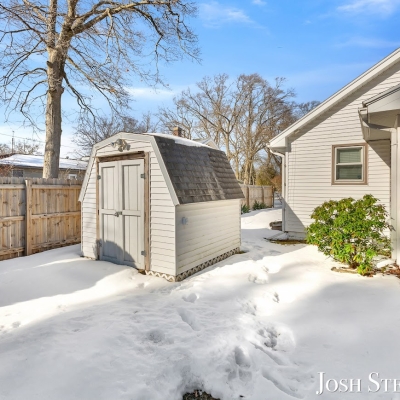


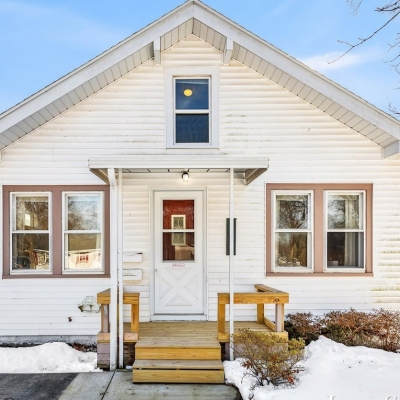
If your family is growing and you need more space before summer, winter is not a disadvantage. It is often the moment when families get the clearest path forward. Buyers with similar timelines are already planning their next move, and they tend to shop months before the school year resets.
Families moving around Grand Haven Township, Rosy Mound, and the Peach Plains area often begin their searches in January and February. They want to secure a home, handle childcare transitions, and settle before summer routines pick up. When your listing hits the market early, it lines up with the exact moment these buyers are preparing to act.
The main concern parents share is that winter showings might feel slow. The reality is that winter buyers are more serious, more prepared, and more likely to write quickly if your home fits their needs. If you want reassurance on how early season family driven demand behaves across the Lakeshore, Josh breaks it down clearly here: Winter vs Spring Listing Guide.
If you are also planning to purchase your next home in Grand Haven or Spring Lake, understanding active inventory will help you time both moves. You can get a sense of what you might upgrade into by browsing Josh’s current listings here: Listings.
Families upgrading in early 2026 often worry about juggling both transitions. The smoother path is to start the conversation early and outline a clean timeline that fits your household. Josh explains that full process, including coordinated buy sell timing, inside his Buy page.
If you need more space by summer, listing early helps you stay ahead of the rush. Homes that meet family needs tend to move quickly, and winter gives you the breathing room to position your home without competing against the surge coming in April.
Can I Get Better Offers By Listing My Larger Home Before the Spring Wave Hits?
If you are downsizing in Grand Haven Township, timing matters more than most people realize.
Larger homes in areas like 160th Avenue, Ferrysburg, and the east side of Grand Haven attract a very specific buyer pool. These buyers are often families who want to move before summer or relocators who need to settle by a deadline. Both groups begin their searches early.
That is why downsizers often see stronger early momentum than they expect. When your home enters the market in January or February, it becomes one of the few available options that meet the needs of these early year buyers. By April, that advantage is gone. Your home competes against every other spring listing.
Why early listing works for larger homes
Bigger homes require buyers with a clear timeline. These buyers move sooner, not later. They plan school transitions, job moves, and summer schedules months ahead. When your home hits the market early, it meets them at the exact moment they are searching.
Pricing clarity is stronger in winter
Downsizers often worry that winter conditions will push their price down. The opposite is often true. Larger homes stand out more in winter because buyers have fewer choices. In spring, similar homes all hit the market at once, which usually increases price sensitivity.
If you want a clean comparison of how seasonal timing affects seller leverage, Josh breaks it down inside the Lakeshore seller market overview: Is It Still a Seller’s Market in West Michigan
If downsizing is your next step, early action gives you control
Most downsizers want a smoother transition. Listing early gives you that. You get clearer feedback, more intentional buyers, and a longer runway to plan your move.
If you want to walk through how downsizing timing works in your specific neighborhood, the simplest place to start is to Contact us here.
Contact UsEarly listing is not about being first. It is about giving yourself space and giving your home room to stand out before the spring surge flattens the field.
Will I Make More Money If I List Early or Wait Until Spring in Grand Haven?

If your biggest question is price, the answer comes down to competition. In Grand Haven, home values do not rise automatically in April. They rise when buyers have fewer similar homes to compare yours against. That moment almost always happens before the spring surge.
Winter buyers do not shop out of convenience. They shop because their timelines are fixed. When a clean, well presented home hits the market between January and early March, it often becomes one of the only options that checks the right boxes. That scarcity is what protects your price.
Spring behaves differently. Your home becomes one of many. Even if demand climbs, buyers also have more leverage because they can compare multiple similar homes. This is why some spring sellers end up adjusting price even though more buyers are active.
Strong prices come from timing, not temperature.
Homes that hit the market before the wave almost always get clearer feedback and firmer early interest. Homes entering during the peak of the wave face heavier comparison.
If you want a deeper view of how seasonality shapes seller leverage across West Michigan, Josh explains it inside his regional timing breakdown here: Is It Still a Seller’s Market in West Michigan.
If your goal is to maximize your number, the strongest position is usually the one where your home enters the market before everyone else does.
What Should You Do Next If You Are Even Considering Listing Early?
If the idea of an early listing is already on your radar, the easiest way to get clarity is to look at what buyers are seeing right now. A quick scroll through Josh’s active listings will show you the homes that are moving, the ones that are sitting, and the presentation style buyers respond to.
Once you have a feel for current competition, it helps to understand how early listings performed last year compared to the spring rush. Josh breaks that down clearly in his winter versus spring timing guide, which makes the whole decision much easier to navigate.
If you also need to buy your next home in Grand Haven, Spring Lake, or Grand Rapids, it is worth reviewing how to time both moves.
And if you want a clean, no pressure read on your home’s value and how it lines up with today’s early season demand, Josh outlines the full selling strategy on his main sell page.
The moment you understand how your specific home fits into the early 2026 landscape, the timing question becomes simple. Clarity always beats guessing.
Get Clarity Before the Spring Rush Hits
If you are thinking about listing early in Grand Haven, the smartest move is to get a clear, local read before the market wakes up. You do not need to guess, and you do not need to figure it out alone. Josh will walk you through your neighborhood, your timing, and your home’s condition so you can see exactly where your best window is.
If you want to talk through it, you can reach Josh directly.
Contact JoshA fifteen minute conversation now can save you weeks of stress once the spring wave arrives. The path is simple once you see the full picture.
FAQ: Early Listing in Grand Haven
Yes. Winter brings fewer casual lookers, but the buyers who tour in January and February are often the most motivated of the year. If you want a deeper look at demand across the Lakeshore, Josh covers that inside the regional blog.
Not typically. Prices track with competition, not the temperature. When fewer homes are available, clean and well prepared homes often hold value better than they do in April when new listings surge.
Only if the home is dark or poorly prepared. Lighting and clean presentation matter more than the month. For examples of winter ready listings, you can browse Josh’s active properties here.
The answer depends on your timeline and your home’s condition. Josh outlines the timing differences clearly in this guide.
Coordinating both moves is common along the Lakeshore. You can review what that process looks like here: Buy.
A local valuation will always outperform online estimates. If you want a data backed, neighborhood specific review, you can start here: Sell.
Yes. Early listings face less competition, move at a calmer pace, and give sellers more flexibility to negotiate timing without pressure from the crowded April market.
Final Takeaway for Grand Haven Sellers Considering an Early Listing
Listing early in Grand Haven is not a gamble. It is a strategy. Winter and early spring give sellers more visibility, less competition, and a slower, calmer market where motivated buyers are already searching. Homes that hit the market between January and March often stand out faster simply because buyers have fewer options and clearer timelines. When you understand how your neighborhood behaves, how early year demand works, and how your home compares to what is live today, the timing decision becomes straightforward. For most Grand Haven sellers moving into 2026, early positioning is the cleanest path to stronger interest and a smoother move.
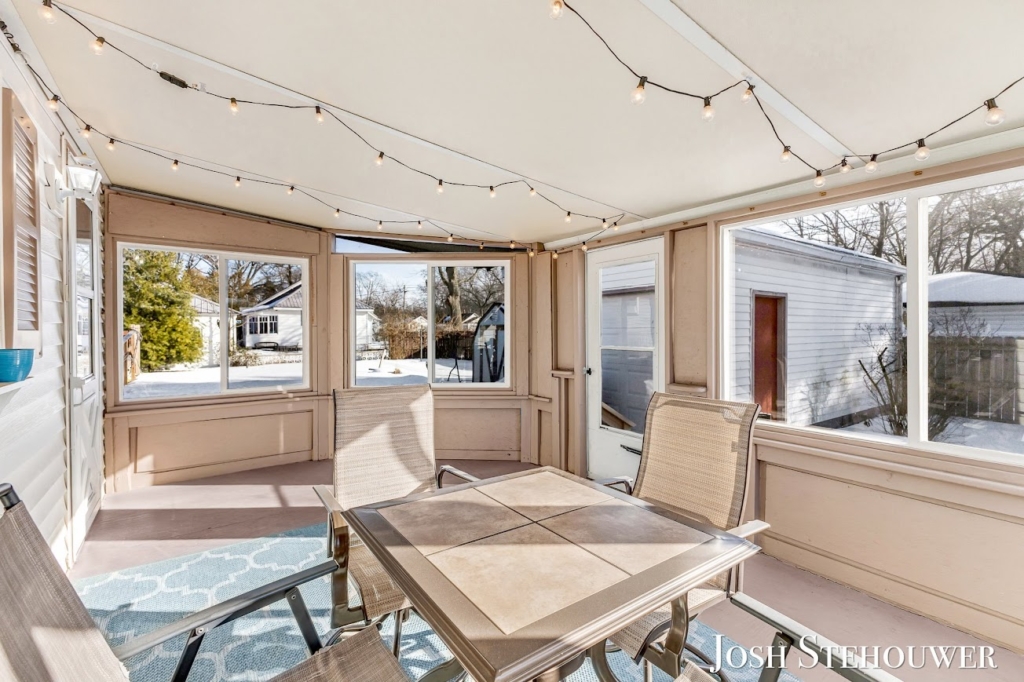
If you want to see how your home fits into that early season window, Josh can walk you through it directly.
Contact Josh