

How much is my Muskegon home worth right now?
If you’re asking this question in late 2025, you’re not alone. Almost every Muskegon homeowner I sit down with is feeling the same mix of curiosity and mild anxiety. Prices feel steady one week, soft the next. A home on your street sells in three days, while another sits for a month with two price drops. It’s enough to make anyone wonder whether they missed their moment or if their home is still positioned to pull a strong number.
Here’s the truth: your Muskegon home does have a real, data-backed value today, but it’s not a single number you can pull off Zillow or a national site. It’s a value shaped by micro-trends inside Muskegon that don’t behave like the rest of West Michigan.
Some neighborhoods are holding firm. Others are cooling faster. Condition matters more this year than it did last year. And timing, especially going into winter, plays a bigger role than sellers expect.
↪ If you’re serious about understanding your value, the place to start is hyperlocal context. That means looking at recent sales, price cuts, buyer patterns, and your home’s condition compared to what’s actually closing.
I break all of this down (with real data) in the Muskegon real estate data analysis linked here. That gives you the closest thing to a snapshot of what buyers are paying right now.
↪ But if you want the real number, not a guess, not an algorithm, the best move is to talk through your specific home, your layout, and your timing. A free home selling consult gives you clarity in 20 minutes, not three weeks of doom-scrolling price changes.
Why are Muskegon home values acting so weird in late 2025?
Because Muskegon isn’t moving as one market. It’s moving in pockets. Some neighborhoods are softening, some are stubbornly competitive, and buyers are behaving differently depending on price point and condition.
What most sellers feel right now is the inconsistency. One house in Lakeside gets five showings the first weekend. Another in East Muskegon gets almost nothing for two weeks. A North Muskegon ranch quietly closes above asking while a newer build in Glenside takes a price cut.
The “weirdness” is simply hyperlocal behavior showing up faster than usual.
Here’s what’s driving it:
- Condition matters more in 2025 than it did in 2024. Turnkey homes are still performing. Dated interiors are dragging unless priced with strategy.
- Rate-sensitive buyers are picky. They want the home they don’t have to fix.
- Inventory is rising in certain pockets. Not everywhere, but enough that some neighborhoods feel slower.
- Seasonality is pulling forward. Fall and early winter buyers are more serious, less casual. They’re not touring for fun. They only move when the house and price match.
This is why Muskegon headlines don’t tell you anything meaningful about your home.
This is also why I built the breakdown inside the Muskegon real estate data report, it shows which neighborhoods are cooling and which are still pushing competitive offers.
If the market feels strange, that’s because this year it truly is.
But strange doesn’t mean bad. It means strategic.
And strategic is where Muskegon sellers can still win.
Is the West Michigan housing market cooling down or heating up?
Short answer: both, and Muskegon is where the contradictions show up first.
When I sit down with sellers across West Michigan, the story is almost always the same. They’ve seen articles saying the market is softening, then turn around and watch a neighbor sell quickly with multiple offers. It feels like two markets running in parallel.
Here’s the truth for late 2025:
- West Michigan as a whole is cooling. More listings, longer days on market, and buyers unwilling to chase overpriced homes.
- But Muskegon has micro-markets that are still running hot. Especially under $350K, where demand remains stronger than inventory.
- Condition is the dividing line. Updated homes are attracting serious buyers. Deferred-maintenance homes are the first to feel the slowdown.
- Price sensitivity is real. Buyers are comparing more and stretching less. They want value and clarity, not guesswork.
What this means for you:
The broader West Michigan trends matter, but they don’t decide your outcome. Your neighborhood, your home’s condition, and your timing matter far more.
↪ If you want a deeper read on these regional shifts and how they’re impacting seller decisions into 2026, I break that down inside my piece on whether homeowners should sell or wait this year. It gives you the bigger context you may be feeling but not seeing clearly.
➥ Here’s the big takeaway:
Cooling isn’t collapse. Heating up isn’t frenzy.
Muskegon sellers just need alignment, not perfection.
Does my home’s location in Muskegon affect its value?

Absolutely. In Muskegon, location isn’t just a map point. It’s a multiplier, or a limiter, depending on what today’s buyers are prioritizing.
Here’s what I mean.
A buyer looking in North Muskegon might be laser-focused on walkability, schools, and the tight community feel. Someone touring Lakeside may be chasing character, charm, and proximity to Muskegon Lake. Downtown attracts an entirely different profile: younger buyers, relocators, and people who want the energy and convenience of being near the redevelopment zone. And then there’s Glenside, Nims, Beachwood-Bluffton, and everything in between, each with its own demand curve.
Right now, late 2025 buyers are valuing:
- Water adjacency. Even if it’s not waterfront, being close to Muskegon Lake or Lake Michigan lifts value.
- Walkable neighborhoods. Sidewalks, parks, community spaces, those are trending.
- School district lines. North Muskegon and Mona Shores continue to attract consistent demand.
- Character blocks. Historic craftsman corridors, mid-century pockets, and bungalow clusters are outperforming newer-but-generic homes.
↪ If you’re unsure where your home sits in that landscape, the best way to see how your neighborhood is behaving is to compare it against what’s actually on the market right now. You can browse current Muskegon-area homes through Josh’s active listings, it’s one of the easiest ways to see what buyers are comparing your home to.
When you understand your location’s buyer profile, you stop guessing what your home is worth and start seeing the patterns that determine it.

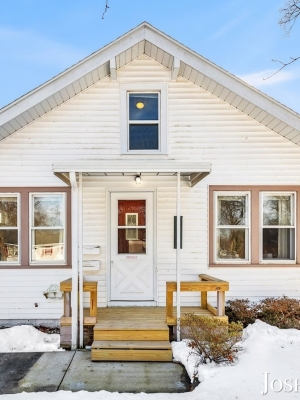
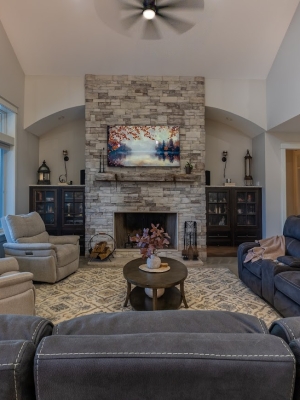

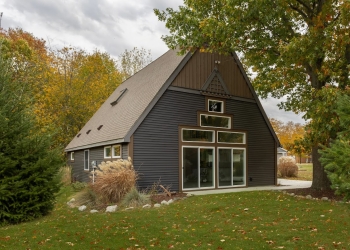
If you’ve got a ranch in North Muskegon, you’re sitting in one of the most dependable micro-markets this fall. Main-floor living is becoming the feature buyers quietly prioritize, especially empty-nesters, downsizers, and anyone planning for long-term comfort.
Here’s why these homes are moving:
- One-level layouts remove future mobility concerns.
- North Muskegon schools continue to drive steady demand.
- Walkability and community feel remain strong selling points.
- Inventory for ranches is low, so buyers act quickly when one hits the market.
↪ If you want to see how buyers are comparing layout, price, and condition, browsing current options is the quickest way to understand where your home stands. You can check similar homes through the “Current Muskegon-area listings page.”
If you own a ranch in this part of town, you’re not chasing the market. You’re ahead of it.
Can I still sell my Lakeside house without doing major updates?
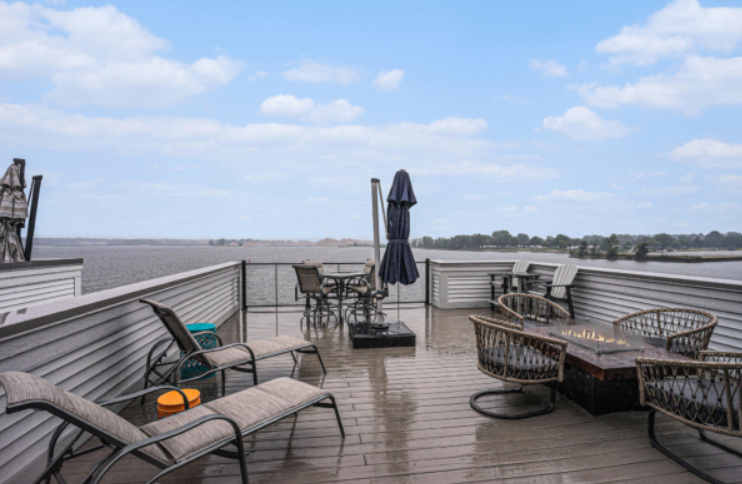
Yes. Lakeside is one of the few Muskegon neighborhoods where character and location still outweigh dated interiors. Buyers shopping here value charm, walkability, and lake proximity more than magazine-ready finishes.
Here’s how to think about it:
- Solid bones, natural light, and original details still win.
- Outdated kitchens or baths don’t kill a sale if the price reflects the work.
- Homes near Muskegon Lake reliably draw motivated buyers.
- You don’t need to take on a renovation, just remove friction for the buyer.
Most Lakeside sellers don’t need full updates. They need strategic adjustments.
↪ If you’re weighing improvements, I outline which updates matter, and which don’t, for West Michigan sellers inside my “Buying and selling resource hub.”
The goal isn’t perfection. It’s eliminating the buyer objections that actually impact your price.