

What Home-Selling Mistakes Do Lakeshore Sellers Make During Winter?
If you’re thinking about selling this winter, the biggest risk isn’t the season. It’s stepping into the market without understanding these avoidable mistakes. Winter on the Lakeshore has a way of reshaping daily life. The wind off Lake Michigan feels sharper. Channel-front homes in Grand Haven sit quieter. West Olive trails are covered in powder. And the sunsets over Lake Macatawa shift from bright gold to muted pinks you only see in January.
For homeowners from Muskegon down to South Haven, this is usually when the hard conversations happen around the kitchen table:
“If we need to sell, is winter the wrong time?”
“Will buyers even show up?”
“Are we making a mistake listing now instead of waiting for spring?”
Here’s the truth: most winter listings don’t go sideways because of the cold.
They go sideways because sellers underestimate what winter buyers expect, skip small details that matter more this time of year, or assume the same strategy that works in May will work in February.
And people list in winter for real reasons:
- a job transfer that starts before spring
- a growing family needing more space
- empty rooms after kids leave for college
- downsizing after a life transition
- wanting to move closer to grandkids
- freeing up equity for a new opportunity
This guide walks you through the biggest winter mistakes Lakeshore sellers make, and how to avoid them so your home stands out in a season where serious buyers are still very much active. If you already know you’ll need to sell this winter and want a quick read on your options, you can always reach out to Josh for a no-pressure conversation. The rest of this guide will show you what to avoid.
Why do Lakeshore homes fail to sell in winter?
A lot of homeowners assume winter itself is the problem, the cold, the snow, the quiet months along the shoreline. But most winter listings don’t struggle because it’s January. They struggle because sellers underestimate what winter buyers actually need to see.
Winter buyers around the Lakeshore are different.
They’re not the summer browsers walking through open houses after a beach day. They’re the people who need to move:
- the hospital hire starting in Holland in February
- the GVSU staff member relocating mid-year
- the family leaving a condo in Spring Lake because baby #2 just arrived
- the empty nester in Norton Shores downsizing sooner than planned
These buyers are motivated, but winter listings fall flat when sellers:
- skip interior prep because “nobody is buying right now”
- rely on dark, gloomy photos
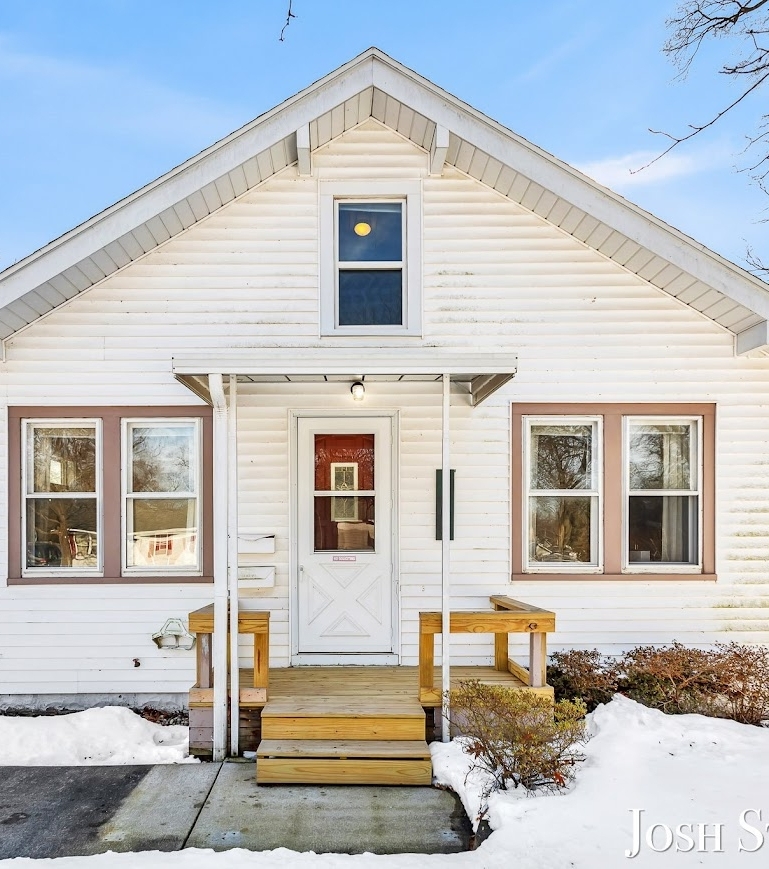
- ignore curb appeal because the yard isn’t green
- price like it’s April
- forget to tell the lifestyle story buyers can’t see yet
Winter isn’t the enemy.
Lack of strategy is.
What first impression mistakes turn winter buyers away?
The biggest winter mistake Lakeshore sellers make is assuming buyers will “see past” the season.
They usually won’t.
When someone walks into a home after driving through drifting snow on Lakeshore Drive or navigating icy side streets in Grand Haven, they’re already fighting the January mood. If the house feels dark, cold, or cluttered, winter buyers check out fast, even if the home would shine in May.
Here are the first-impression mistakes that push buyers away instantly:
- Dark rooms with no lighting plan
Winter showings happen at 4:30 pm,when it’s already dim.
A house that feels shadowed or gray gets mentally downgraded. - Cold interiors
If a buyer keeps their coat on during the tour, they assume the home runs cold and inefficient. - Cluttered entryways
Boot trays, salt residue, piles of winter coats, these tiny things make a home feel cramped. - Heavy drapes blocking natural light
Lakeshore winters need every ounce of daylight you can get.
Buyers don’t expect perfection in winter, they expect warmth, clarity, and care.



➧ If you want a step-by-step checklist, Josh walks sellers through this prep when they’re getting ready to sell your West Michigan home, especially in the colder months when first impressions matter even more.
Why does bad winter photography hurt Lakeshore home sales?
Because winter is already working against you visually, and poor photos make it worse.
Winter photography along the Lakeshore is tricky.
The sky over Muskegon can sit flat and gray for an entire week. Lake Macatawa can look dull and wind-chopped. Dune grass in Grand Haven turns straw-colored. And if the photos don’t compensate for that, your listing blends into every other January scroll on Zillow.
Most sellers underestimate how quickly winter photos can turn buyers off:
- Gray-sky exterior shots that make the home look lifeless
- Snow piled up around driveways or porches
- No interior lighting, everything looks yellow or dim
- Rooms photographed before staging
- Blurry twilight photos with no warmth
Buyers don’t just judge the photos, they judge whether the seller care.
ℹ: In winter, great photography is 50 percent lighting, 50 percent timing, and 100 percent necessary.



Josh helps sellers get winter-friendly photography right from day one, including aligning shoot days with sun breaks and prepping the home so every room feels warm and inviting.
What pricing mistakes do Lakeshore sellers make in winter?
One of the biggest traps Lakeshore sellers fall into is pricing their home like it’s April, not January.
Winter buyers are motivated, but they’re also realistic.
They’ve driven through lake-effect snow in Norton Shores, toured homes after dark in Spring Lake, and watched how few new listings hit the market between Christmas and mid-February. They know the landscape. If your home is priced like it’s competing in the May rush, they’ll move on quickly.
Here are the most common pricing mistakes sellers make in winter:
- Pricing too high “just in case spring is better”
Winter buyers won’t play guessing games. They want accuracy, not April fantasy. - Ignoring current local data
January markets along the Lakeshore behave differently in Muskegon than in Holland or Grand Haven.
If you want real context, Josh breaks down current trends in selling your West Michigan home in 2025,including how winter months shift pricing power. - Assuming buyers will “wait and negotiate”
Winter buyers aren’t browsers. If your price is off by even a small margin, they’ll leave the showing and write an offer on a better-priced home they just saw down the road. - Forgetting that low inventory works both ways
Low inventory helps sellers stand out, but only when the price reflects today’s reality.
The goal isn’t to underprice.
It’s to price with confidence based on the winter market actually in front of you, not the one you wish you had.
What curb appeal mistakes scare buyers away in winter?
Winter curb appeal hits differently along the Lakeshore.
Buyers pull into driveways after navigating slush on Beacon Boulevard, salt streaks on Lakeshore Drive, and snowdrifts blowing across US-31. By the time they step out of the car, they’re already evaluating the home’s exterior, even if they don’t realize it.
Here are the curb-appeal mistakes that instantly turn winter buyers off:
- Snow-packed walkways
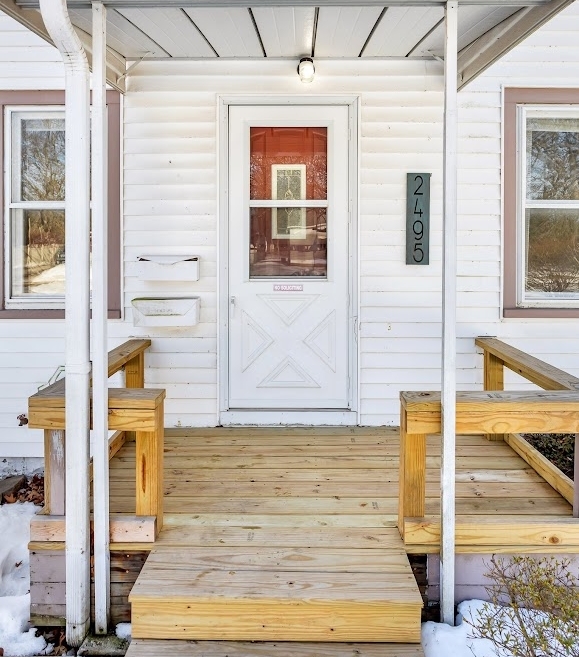
If a buyer has to tiptoe up an icy path in Spring Lake or Muskegon, they assume the home isn’t well cared for. - Salt-covered porches and steps
Salt stains photograph poorly and make the entryway feel neglected. - Zero exterior lighting
At 5:00 pm in January, the front of your home is pitch black.
A dark exterior = a cold first impression. - Ignoring the garage and driveway
Winter buyers notice everything: shoveled edges, tire marks, runoff ice. - Holiday décor lingering too long
A January showing with December décor suggests the seller is behind on prep.
Small fixes matter, clean paths, warm lighting, clear steps, and they make a big difference in a season where buyers crave signs of care.
➧ If you want inspiration for winter show-ready homes, Josh shares active property examples and seasonal prep tips in his current Lakeshore listings, which show exactly how good winter presentation should look.
Why do sellers forget to highlight the Lakeshore lifestyle winter buyers can’t see yet?
Because it’s hard to sell a feeling in February, but that’s exactly what winter buyers are shopping for.
When someone tours a Lakeshore home in January, they aren’t seeing it at its best.
They’re seeing:
- frozen dunes in Grand Haven
- quiet streets around Windmill Island
- a gray Lake Macatawa with no boats
- empty beach paths in Norton Shores
- docks pulled from the water in Muskegon
Most sellers make the mistake of letting winter dictate the story.
But winter buyers aren’t buying for winter.
They’re buying for the life they’ll live here in six months.

If the seller doesn’t help them imagine that life, they won’t do it on their own.
Here’s what many Lakeshore homeowners forget to highlight:
- Summer mornings on the deck watching first light hit the lake
- Biking the Lakeshore Trail once the snow melts
- Walking 8th Street in Holland during Tulip Time
- Launching kayaks at Duncan Woods or Pigeon Creek
- Grilling with friends as the sunset reflects off the water
- Kids running between the house and the beach all July
Buyers touring in winter can’t see any of this.
Sellers who don’t paint the picture lose them.
Josh helps sellers translate “frozen scenery today” into “summer lifestyle tomorrow,” which is why many Lakeshore homeowners check out his resources and prep guides before listing,especially in winter.
Winter buyers don’t need perfect curb appeal.
They need reasons to believe in the life they’re stepping into.
Why do winter sellers overlook relocation buyers who need to move right now?
Because most homeowners assume that if they’re cold, buyers must be hibernating too.
But winter along the Lakeshore runs on a completely different rhythm, and relocation buyers are one of the most active groups moving through January and February.
These aren’t casual summer browsers walking through open houses after a beach day. Winter buyers tend to be people whose lives are shifting faster than the season:
– A new nurse starting at Holland Hospital.
– An engineer relocating to a plant in Muskegon with a February start date.
– A GVSU professor moving closer for a mid-year contract.
– A young family transferring from Chicago or Detroit who doesn’t want to wait until spring to settle into a neighborhood they trust.
These buyers don’t have the luxury of waiting for tulips or warm weather. When they’re ready, they’re ready, and they’re searching intensely. They’re scrolling listings after kids go to bed. They’re flying in for 24-hour house-hunting trips. They’re making decisions fast because their timeline isn’t tied to the season. It’s tied to real life.
Many Lakeshore sellers miss this opportunity because they assume winter equals low demand.
But winter demand is simply different: smaller volume, higher intent.
If your home shows well, is priced smartly, and tells a clear lifestyle story, these relocation buyers will move quickly. They aren’t comparing your home to dozens of spring listings; they’re comparing it to whatever is available right now.
➧ For a look at how winter demand is trending in different cities along the shoreline, Josh breaks down location-specific market behavior in his Grand Haven winter listing guide so sellers can see how winter relocators actually behave.
Relocation buyers aren’t waiting for spring.
They’re searching today and they’re serious.
Is waiting until spring to sell my Lakeshore home a mistake?
A lot of Lakeshore homeowners assume spring is always the smarter season, brighter days, greener lawns, more buyers. And yes, spring has advantages. But waiting can quietly cost sellers opportunities they don’t realize they’re giving up.
The biggest mistake homeowners make is treating spring like a guarantee.
But real estate along the shoreline doesn’t move in guarantees, it moves in cycles. And winter opens doors that spring sometimes closes.
For example, January and February often have lower inventory from Muskegon to Holland. That means if your home hits the market now, you’re competing with a handful of new listings rather than the wave that arrives in April. Winter buyers notice new listings instantly because there simply aren’t as many to choose from.
Another mistake is assuming spring automatically brings higher prices.
Spring brings more buyers, but it also brings more sellers. When your home hits the MLS alongside twenty others in Grand Haven or South Haven, you lose the advantage of standing alone. The house that looked like “the one” in January becomes “one of many” by April.
And life circumstances don’t pause for better weather. Maybe your new job in Grand Rapids starts sooner than you expected. Maybe your family needs more space before a baby arrives. Maybe you’re carrying two mortgages or two sets of utilities waiting for the snow to melt. Waiting can add months of stress and cost without adding value.
➧ If you’re unsure what timing means for your home specifically, Josh breaks down seasonal shifts and pricing patterns inside his West Michigan seller market overview so homeowners can make decisions based on data, not assumptions.
Spring isn’t wrong.
But winter isn’t a mistake.
It’s a window many sellers overlook until they realize they should have acted sooner.
What should Lakeshore homeowners do if they need to sell now?
If you need to sell this winter, the smartest move you can make is to get a clear plan, not guesses, not “wait until spring” advice from neighbors, and not generic national blogs that don’t understand the Lakeshore. Winter listings succeed when sellers know exactly how to prepare, how to price, and how to stand out in a season where buyers make decisions quickly.
That’s where having someone local matters.
Someone who understands how Norton Shores behaves differently from Holland.
Someone who knows what buyers expect when touring at 5 pm in the dark.
Someone who can help you turn a gray January listing into a warm, confident first impression.
Josh walks homeowners through:
- how to prep your entryway and interior lighting so winter showings feel bright and inviting
- how to price based on real-time demand in your neighborhood
- how to position your home to attract relocation buyers who are shopping right now
- how to highlight the summer lifestyle buyers can’t see in February
You don’t need to worry about making winter mistakes.
You just need clarity, and a guide who knows this shoreline better than anyone.
➧ If you’re unsure whether now is the right time or you want a quick read on your home’s winter market potential, reach out to Josh directly through his contact page.
✔ Tell him your timeline.
✔ Tell him your reasons for moving.
He’ll give you an honest, local, no-pressure plan you can feel good about.
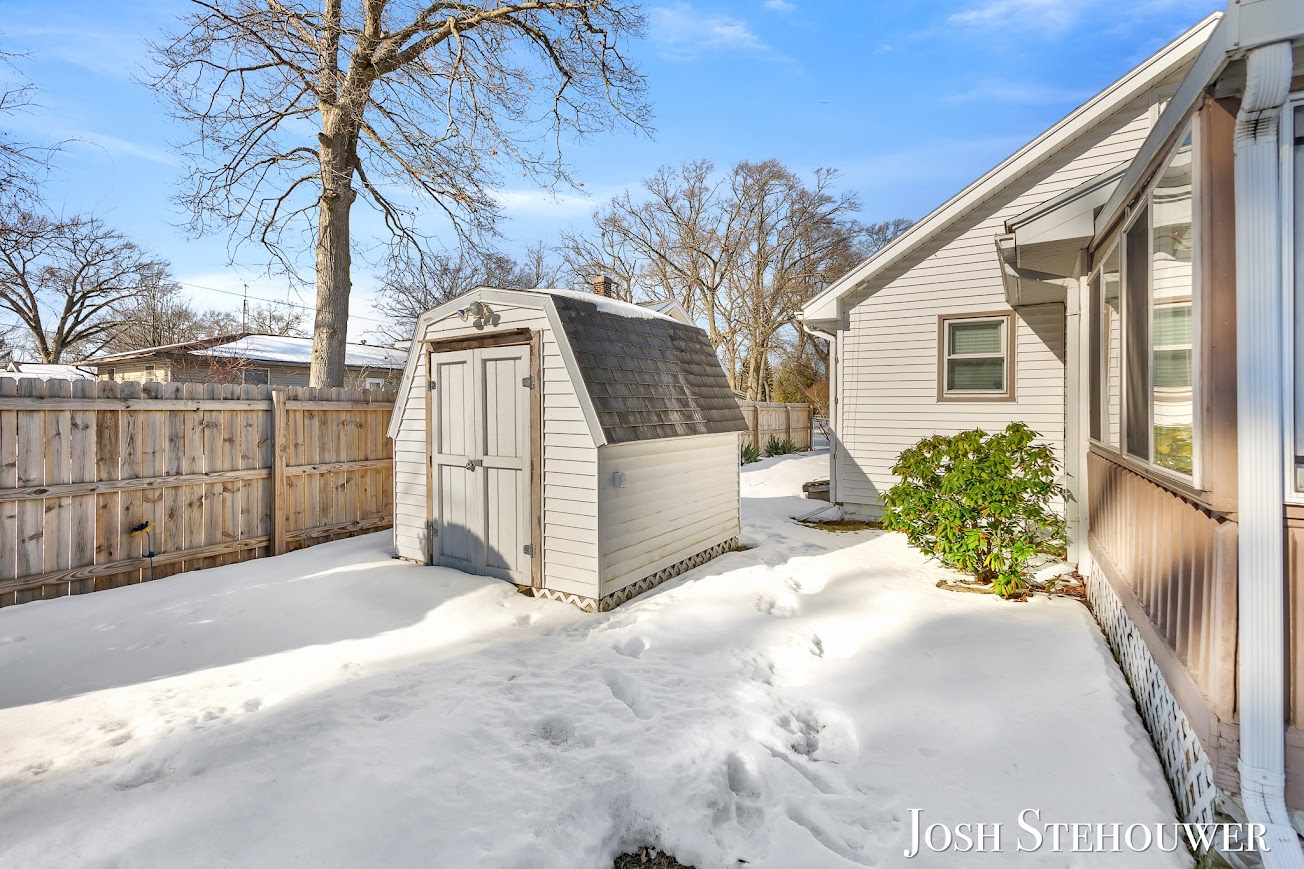
Winter isn’t something to avoid. It’s an opportunity, as long as you don’t take it alone. If you remember nothing else, winter failures usually come down to four things: bad first impression, weak photos, off-base pricing, and telling no lifestyle story.